Diverse . Inclusive . Sustainable . Joyful

Gonville & Caius College, University of Cambridge.

1940s – 1960s

Who Was Bishop Charles Mackenzie?

Bishop Charles Mackenzie, Central Africa’s first missionary bishop, is honoured for his commitment to education, faith, and the fight against slavery.

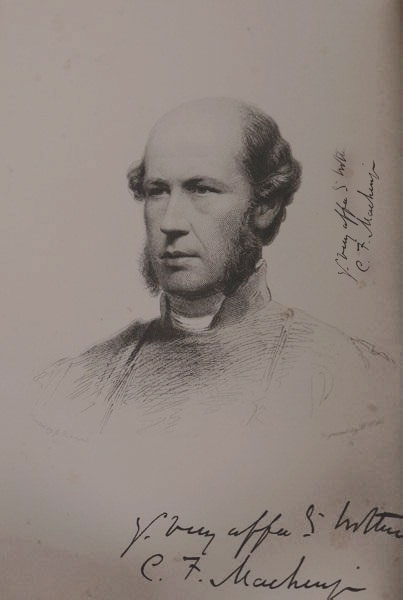
Portrait of Bishop Charles Mackenzie in 1861.

Image courtesy of: The National Galleries of Scotland Collection.

Charles Frederick Mackenzie was born in April 1825 in Peeblesshire, Scotland. A gifted student, he studied at Edinburgh Academy and later at Cambridge, excelling in mathematics. He was ordained in 1851 and later served as Archdeacon in KwaZulu-Natal, South Africa, after being invited by Bishop John Colenso. Inspired by Dr. David Livingstone’s appeal to end the slave trade in Central Africa, Mackenzie returned to England in 1859 to raise support for mission work. In 1860, he was appointed leader of the newly formed Universities' Mission to Central Africa (UMCA), a joint effort by the universities of Oxford, Cambridge, Durham, and Dublin. He was consecrated bishop in Cape Town on 1 January 1861, becoming the first bishop in what is now Malawi.

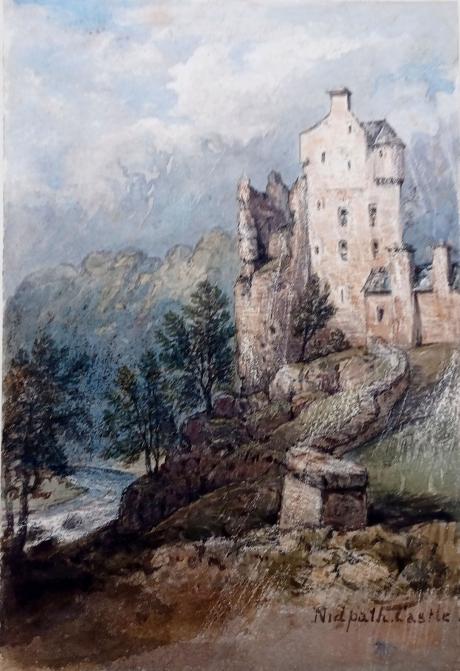
Pebbleshire Scotland in the 1800s.

Francis William Staines Neidpath, Artware Fine Art.
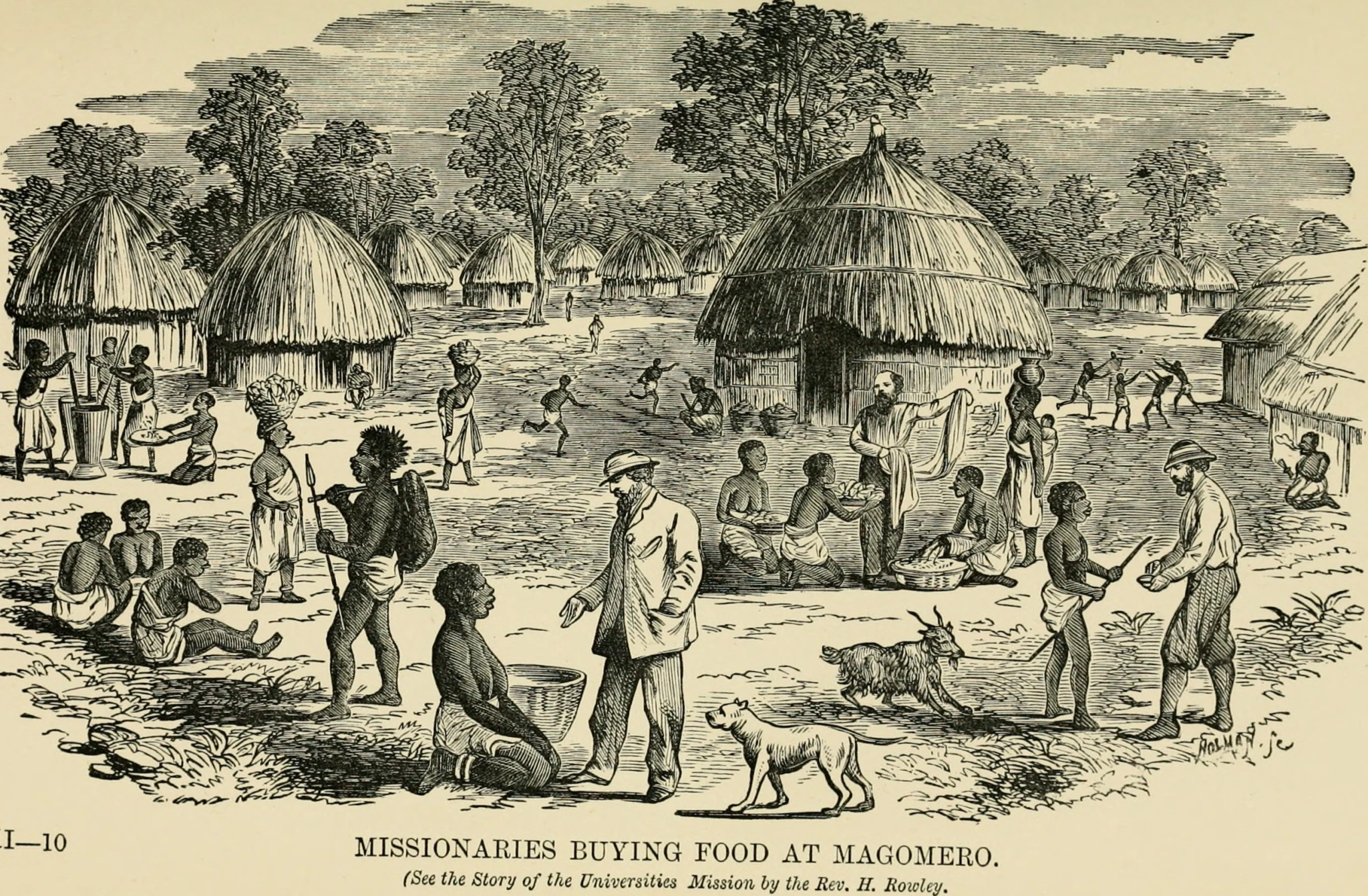
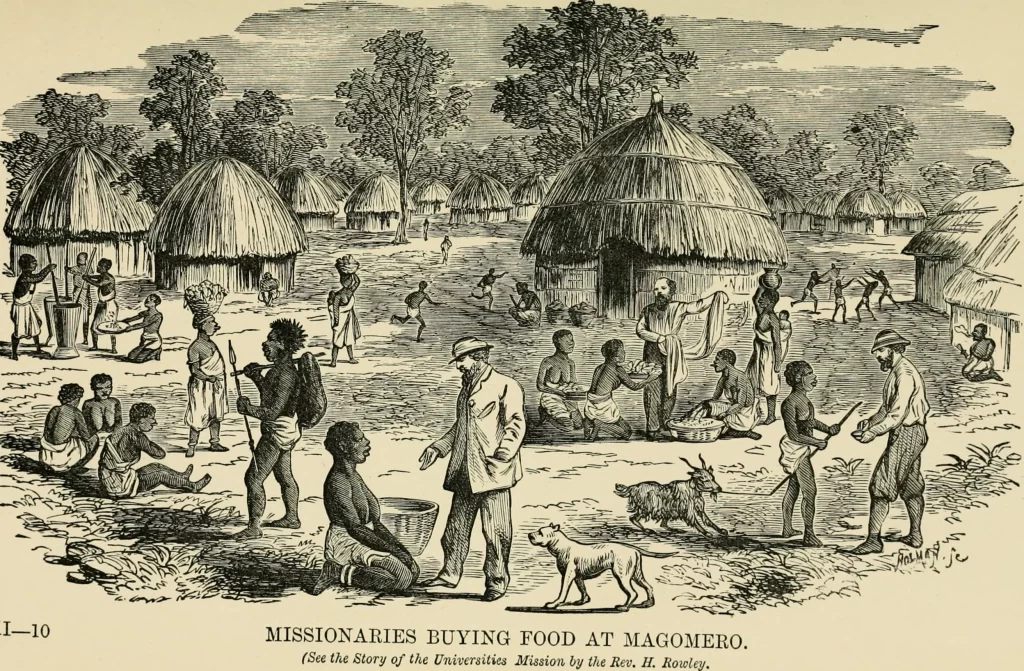
That same year, he travelled with a small group of missionaries up the Zambezi and Shire rivers, arriving at Chibisa village in Chikwawa in June. He soon established the first mission station at Magomero, near Zomba, and began working among the Mang anja people. Within a week, the mission had liberated over 400 slaves, many of whom made Magomero their home.

Steve Middlehurst, Travelogues and Other Memories.
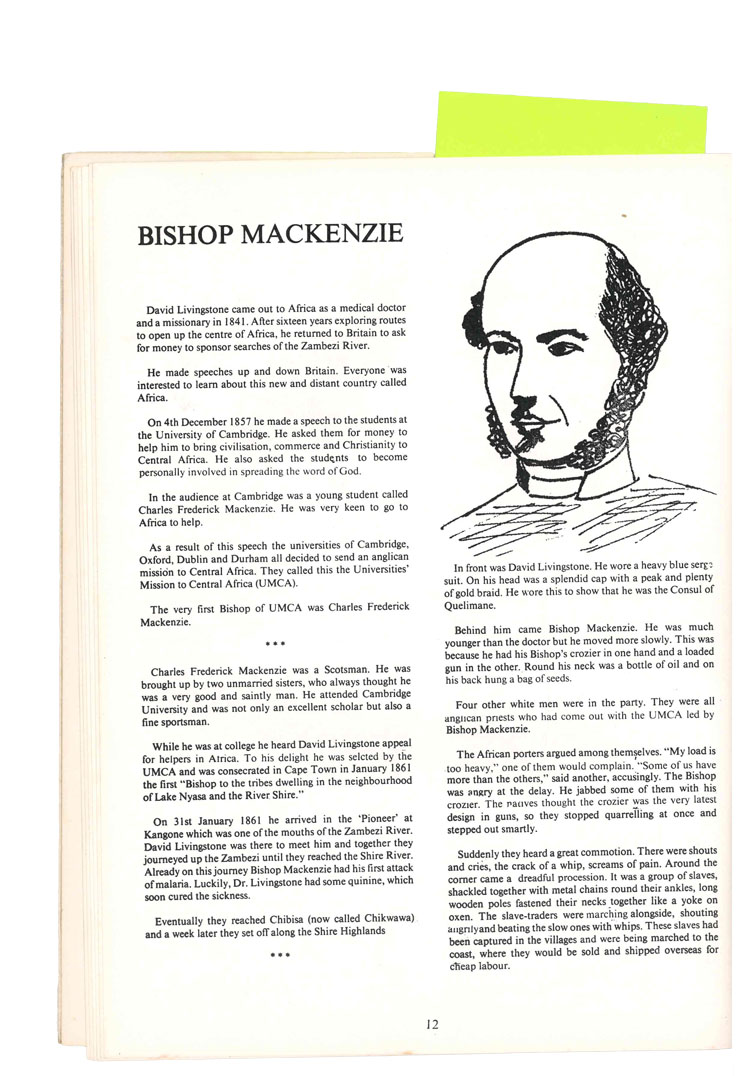
Collection of stories about Bishop Mackenzie by Year 5 students.

Excerpt from The Mitre (Bishop Mackenzie School yearbook), 1985. 

Mackenzie believed deeply in Christian love and human dignity, and saw his work as both spiritual and humanitarian. In late 1861, Mackenzie and fellow missionary Henry Burrup set off for Chiromo to meet Dr. Livingstone, but their canoe capsized, delaying their arrival and costing them critical medical supplies. Livingstone had already left when they arrived. Tragically, Mackenzie contracted malaria on the journey and died shortly after, on 31 January 1862.

Mackenzie’s dedication, courage, and compassion left a lasting legacy. He is remembered as a pioneer missionary who risked everything to fight slavery and bring hope to Central Africa. Tributes praised his intellect, humility, and faith. Today, his life continues to be honored in both church history and in Malawi, where he is remembered for his selfless service.

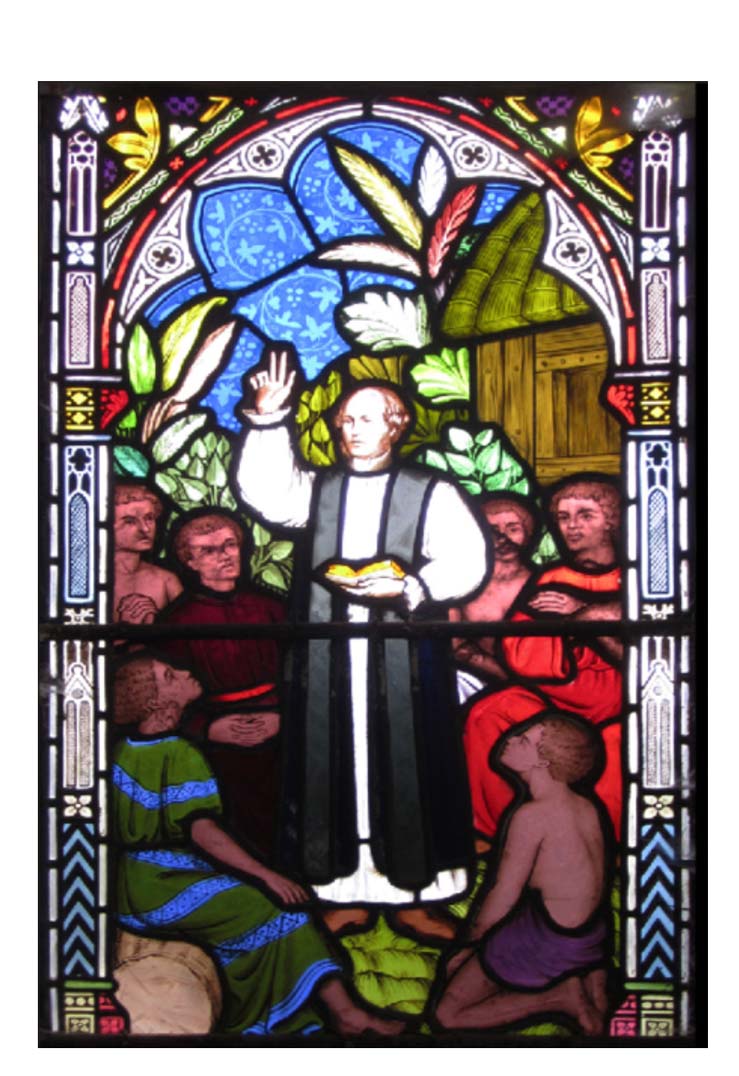
Memorial window on Hanslingfield Church Cambridgeshire in England.

G. A. Bremner, Colonial Themes in Stained Glass, Home and Abroad A Visual Survey.

Who Was Bishop Charles Mackenzie?

Bishop Charles Mackenzie, Central Africa’s first missionary bishop, is honoured for his commitment to education, faith, and the fight against slavery.

Charles Frederick Mackenzie was born in April 1825 in Peeblesshire, Scotland. A gifted student, he studied at Edinburgh Academy and later at Cambridge, excelling in mathematics. He was ordained in 1851 and later served as Archdeacon in KwaZulu-Natal, South Africa, after being invited by Bishop John Colenso. Inspired by Dr. David Livingstone’s appeal to end the slave trade in Central Africa, Mackenzie returned to England in 1859 to raise support for mission work. In 1860, he was appointed leader of the newly formed Universities' Mission to Central Africa (UMCA), a joint effort by the universities of Oxford, Cambridge, Durham, and Dublin. He was consecrated bishop in Cape Town on 1 January 1861, becoming the first bishop in what is now Malawi.

Pebbleshire Scotland in the 1800s. Francis William Staines Neidpath, Artware Fine Art.

That same year, he travelled with a small group of missionaries up the Zambezi and Shire rivers, arriving at Chibisa village in Chikwawa in June. He soon established the first mission station at Magomero, near Zomba, and began working among the Mang anja people. Within a week, the mission had liberated over 400 slaves, many of whom made Magomero their home.

Steve Middlehurst, Travelogues and Other Memories.

Collection of stories about Bishop Mackenzie by Year 5 students. Excerpt from The Mitre (Bishop Mackenzie School yearbook), 1985.
Mackenzie believed deeply in Christian love and human dignity, and saw his work as both spiritual and humanitarian. In late 1861, Mackenzie and fellow missionary Henry Burrup set off for Chiromo to meet Dr. Livingstone, but their canoe capsized, delaying their arrival and costing them critical medical supplies. Livingstone had already left when they arrived. Tragically, Mackenzie contracted malaria on the journey and died shortly after, on 31 January 1862.

Mackenzie’s dedication, courage, and compassion left a lasting legacy. He is remembered as a pioneer missionary who risked everything to fight slavery and bring hope to Central Africa. Tributes praised his intellect, humility, and faith. Today, his life continues to be honored in both church history and in Malawi, where he is remembered for his selfless service.

Memorial window on Hanslingfield Church Cambridgeshire in England. G. A. Bremner, Colonial Themes in Stained Glass, Home and Abroad A Visual Survey.

Scroll to Top