The Growth of Bishop Mackenzie School
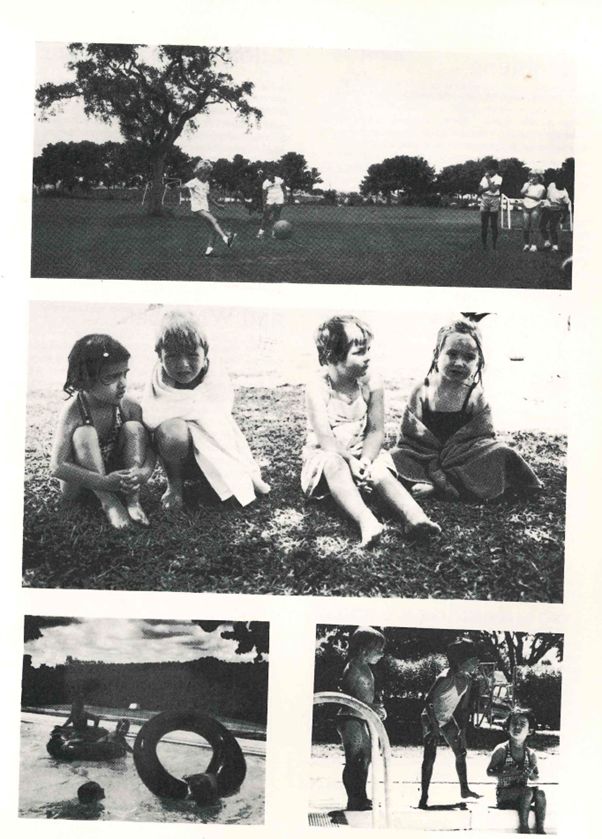
Between the mid-1960s and 1980, Bishop Mackenzie School grew from a modest institution into a key educational hub in Malawi.
In 1965, it opened a small boarding hostel, once a former farmhouse for students whose families lived on farms outside Lilongwe. At the time, the school only offered primary education, but demand was growing. The shift of Malawi's capital from Zomba to Lilongwe in 1975 marked a turning point. As diplomats, NGOs, and civil servants moved in, enrollment surged.
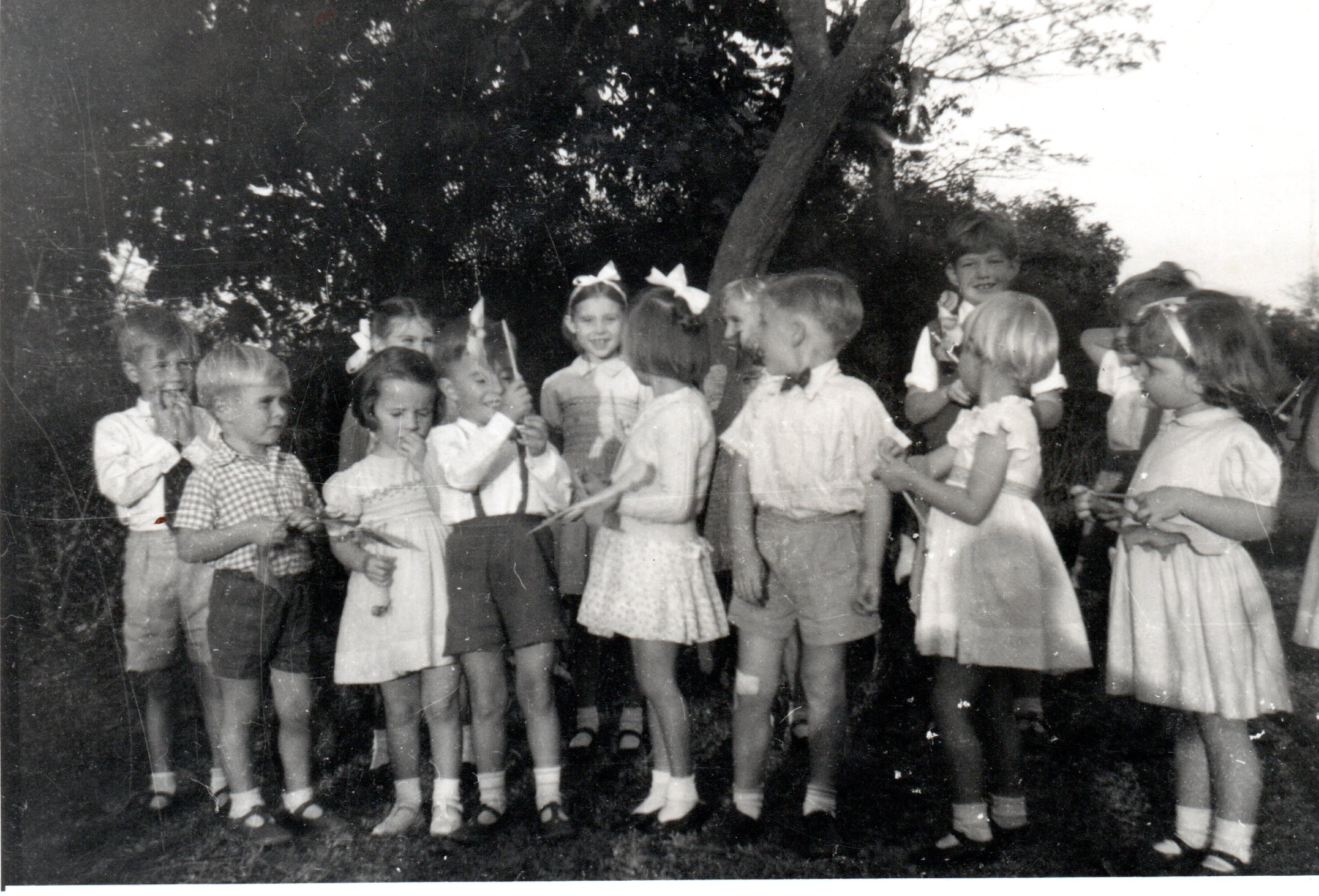
The school responded by expanding into nearby vacated government buildings and raising academic standards to meet the expectations of a more international community. In 1977, the school became part of the Designated Schools Board, allowing it to maintain quality teaching through expatriate staff. By 1979, a new and much larger boarding facility had been built, offering separate hostels for boys and girls, kitchens, and a dining hall.
The now communicable canteen/dining space where students now gather for meals, conversations and connection.
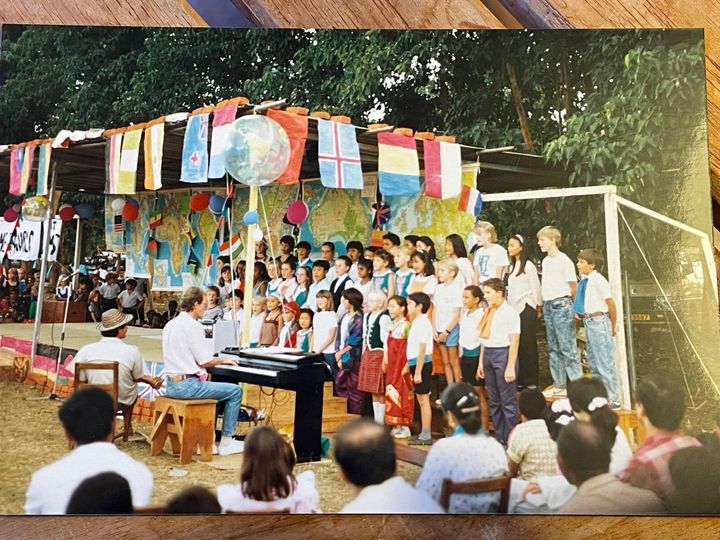
This period also brought increased cultural diversity, with students from Malawi, neighboring countries, Europe, and the U.S. Former students remember it as a nurturing, inclusive environment that helped shape their values and character principles they carried into adulthood. The developments of this era laid a strong foundation for Bishop Mackenzie School’s rise as one of Malawi’s premier educational institutions.
The Growth of Bishop Mackenzie School
Between the mid-1960s and 1980, Bishop Mackenzie School grew from a modest institution into a key educational hub in Malawi.
In 1965, it opened a small boarding hostel, once a former farmhouse for students whose families lived on farms outside Lilongwe. At the time, the school only offered primary education, but demand was growing. The shift of Malawi's capital from Zomba to Lilongwe in 1975 marked a turning point. As diplomats, NGOs, and civil servants moved in, enrollment surged.
The school responded by expanding into nearby vacated government buildings and raising academic standards to meet the expectations of a more international community. In 1977, the school became part of the Designated Schools Board, allowing it to maintain quality teaching through expatriate staff. By 1979, a new and much larger boarding facility had been built, offering separate hostels for boys and girls, kitchens, and a dining hall. The now communicable canteen/dining space where students now gather for meals, conversations and connection. This period also brought increased cultural diversity, with students from Malawi, neighboring countries, Europe, and the U.S. Former students remember it as a nurturing, inclusive environment that helped shape their values and character principles they carried into adulthood. The developments of this era laid a strong foundation for Bishop Mackenzie School’s rise as one of Malawi’s premier educational institutions.